When to Hire an Office Repainting Contractor
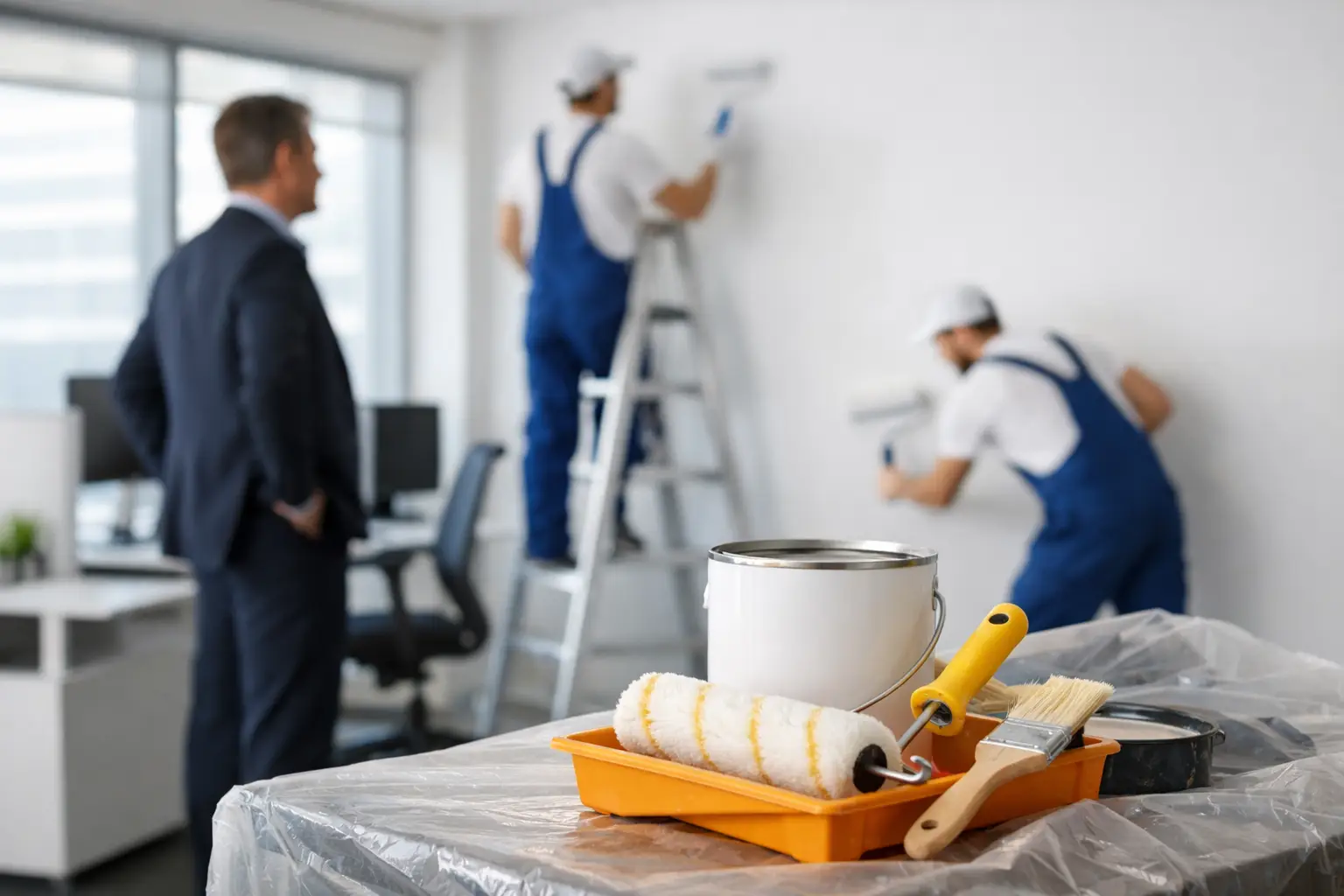
A worn reception wall, scuffed corridors, water-stained ceiling tiles, and faded paint send a message before a customer ever meets your team. They can also make a workplace feel neglected to the people who use it every day. The right office repainting contractor does more than apply a fresh color. They help you plan the project around business operations, correct surface damage, protect the workspace, and leave your office looking professional again.
For offices in Pierce County and the South Puget Sound area, repainting is also a maintenance decision. Rainy conditions, moisture concerns, frequent foot traffic, and the normal wear of a busy commercial space all affect how walls, trim, doors, and exterior surfaces hold up. A quality paint job starts with identifying those conditions before the first coat goes on.
Signs Your Office Is Ready for Repainting
Some repainting needs are obvious. Peeling paint, visible stains, cracked drywall, and dark marks around high-traffic corners should be addressed before they become harder to repair. Other signs are quieter: a once-clean neutral color has become dull, touch-ups no longer match, or the office layout and branding have changed but the space still reflects the old look.
A repaint can make sense before a lease renewal, client-facing event, ownership change, or office expansion. It can also be a practical way to prepare a suite for new tenants. In these cases, the goal is not simply to make the property look newer. It is to present a clean, well-maintained environment without creating unnecessary disruption for staff or customers.
Exterior office repainting deserves the same attention. Failing caulk, bare wood, chalking paint, and moisture damage can expose siding and trim to further wear. In Western Washington, waiting through another wet season can turn a straightforward painting project into a larger repair job.
What an Office Repainting Contractor Should Handle
A commercial painting proposal should account for the condition of the surfaces, not just the square footage. Paint cannot permanently hide an active leak, soft wood, damaged drywall, or a surface that has not been cleaned properly. If the work begins with only a color selection and a quick price, important preparation may be missing from the plan.
Surface repairs come before paint
Office walls often need more than a light sanding. Nail holes from removed signage, dents from moving furniture, failed corner bead, cracks near doors, and damaged areas around sinks or windows can all show through a new finish if they are not repaired correctly. Drywall repair and texture matching are especially important when a wall has a sprayed or hand-applied texture that needs to blend with the surrounding area.
The same principle applies outside. Wood rot, loose trim, failed caulking, and weathered siding should be evaluated before primer and paint are applied. Coating over a damaged surface may improve the appearance for a short time, but it does not stop the problem underneath.
Cleaning and preparation affect durability
A clean, sound surface gives primer and paint something to bond to. Depending on the area, preparation may include pressure washing, removing loose paint, sanding glossy surfaces, filling gaps, spot-priming repairs, and masking floors, fixtures, glass, furniture, and equipment.
The amount of prep depends on the building and its condition. A recently built office with minor scuffs may need less repair than an older medical, retail, or professional suite with years of patchwork. That difference should be reflected in the scope of work, not discovered after the project has already started.
The coating must fit the location
A hallway wall, a conference room, a break room, and exterior trim do not all need the same product. High-touch interior areas may benefit from a durable, washable finish. Areas with moisture exposure need appropriate primers and coatings. Exterior surfaces need paint or stain designed to handle rain, UV exposure, and seasonal temperature changes.
The sheen matters, too. Flat finishes can soften the look of a wall, but they may be harder to clean in a busy corridor. Higher-sheen coatings are often more washable, though they can reveal uneven wall repairs more easily. A dependable contractor will explain the trade-off and recommend a finish that fits the use of the room.
Planning Repainting Around Your Business
The best time to repaint an office is not always the first open date on a calendar. It depends on your business hours, building access, employee schedules, tenant requirements, and the areas being painted. A lobby or reception area may need to be completed after hours, while a vacant suite may allow for a faster daytime schedule.
Before work starts, make a plan for furniture, computers, wall décor, and access to workspaces. In some cases, the contractor can work in sections so employees can remain productive in other areas. In others, moving furniture to the center of each room and covering it carefully is enough. Clear expectations help prevent last-minute delays and protect equipment and finishes.
Communication is particularly important in multi-tenant buildings. Property managers may have rules for parking, elevator use, noise, debris removal, work hours, and insurance documentation. A licensed, bonded, and insured contractor should be prepared to coordinate with those requirements rather than leave the office manager to sort them out mid-project.
Questions to Ask Before You Hire
You do not need to be a paint expert to evaluate a contractor. Start by asking how they will prepare the surfaces, what repairs are included, which products they recommend, and how they will protect the office during the work. Their answers should be direct and specific to your building.
Also ask about the schedule. Find out when crews will arrive, whether work can happen after hours or on weekends, how long each phase is expected to take, and when painted areas can return to normal use. Paint dry time is not the same as full cure time, so a contractor should help you plan around ventilation, furniture placement, and heavy use of freshly painted surfaces.
A detailed written estimate is valuable because it defines the job. It should identify the areas to be painted, expected prep work, repairs, coating system, and any exclusions. The lowest price may not include the same level of surface work, protection, or materials as another proposal. Comparing only the bottom line can lead to costly surprises later.
Why Local Experience Makes a Difference
Office painting in the South Puget Sound area requires an understanding of the conditions local properties face. Exterior work must be scheduled around weather windows, and moisture-related damage needs to be addressed rather than covered up. Interior projects often involve established buildings with previous repairs, aging drywall, and finishes that need thoughtful preparation.
K&D Quality Painting brings more than 30 years of hands-on painting experience to commercial and residential projects across Pierce County. That broad in-house scope matters when an office needs drywall repair, pressure washing, wood repair, texture matching, or other work before painting can begin. One team that can assess and address those issues helps keep the project moving and the finished result consistent.
A Fresh Office Should Work as Hard as It Looks
A well-painted office supports the way your business operates. It creates a better first impression, helps employees feel proud of the workspace, and protects the surfaces you have invested in. But the visible result only lasts when the preparation, repairs, products, and scheduling have been handled with care.
If your office is showing wear or you are preparing for a move, renovation, or tenant turnover, start with a clear walkthrough and a free estimate. The right plan will fit your building, your schedule, and the result you want your customers and team to see every day.