What a Commercial Exterior Painting Estimate Covers
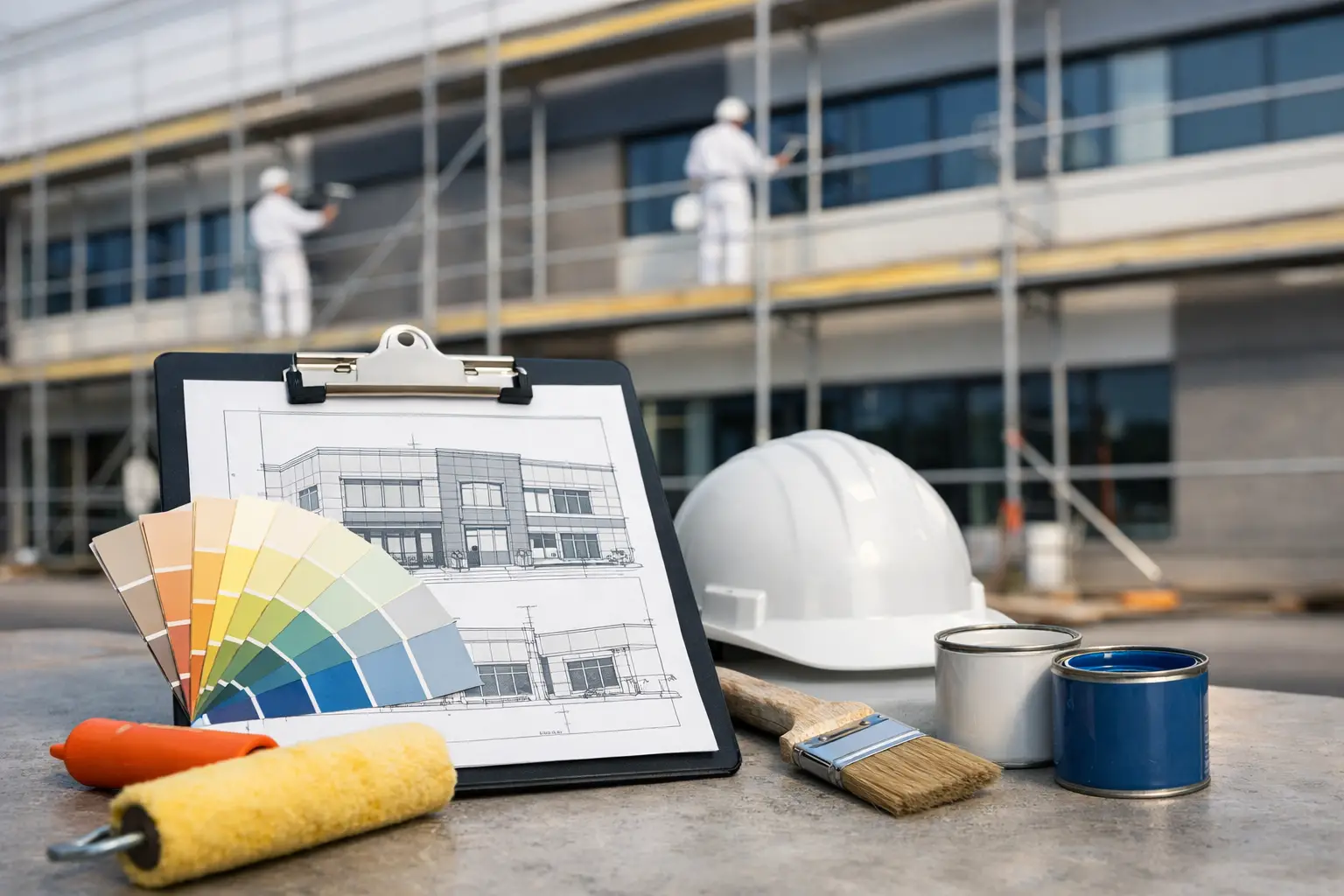
A peeling storefront, faded office trim, or stained siding does more than make a property look neglected. It can leave wood, metal, and other exterior surfaces exposed to moisture and wear. A clear commercial exterior painting estimate helps property owners understand what needs to be corrected before the first coat goes on, what the project will cost, and how the work will protect the building over time.
For businesses across Pierce County and the South Puget Sound area, exterior painting is rarely just a color decision. Rain, damp winters, changing temperatures, UV exposure, and buildup from moss or grime all affect how long a coating will hold. The right estimate should account for those conditions instead of treating every building like a quick repaint.
What a Commercial Exterior Painting Estimate Should Include
A useful estimate starts with an on-site look at the property. Square footage matters, but it is only one part of the job. A commercial building with sound, clean siding may require straightforward preparation and painting. Another building of the same size may need pressure washing, scraping, wood-rot repair, caulking, primer, and detailed work around doors, windows, signs, or equipment.
The estimate should clearly explain the scope of work in plain language. You should be able to see which surfaces will be painted, what preparation is included, which repairs are expected, and what products or coating system are recommended. If there are areas that cannot be fully evaluated until loose paint or damaged material is removed, that should be discussed upfront as well.
A dependable commercial painting estimate commonly addresses surface cleaning, preparation, repairs, priming, paint application, protection of nearby areas, and cleanup. It should also identify exclusions, such as major structural repairs, specialized coatings, or work that requires access equipment beyond the original plan.
Preparation Is Where Exterior Paint Performance Begins
Paint does not fix failing wood, loose coatings, open joints, or trapped moisture. It covers them temporarily, often until the problem shows through again. That is why preparation should be a substantial part of any commercial exterior painting estimate, especially in Western Washington.
Pressure washing may be needed to remove dirt, mildew, moss, chalking paint, and other contaminants that prevent proper adhesion. After the surface has time to dry, loose or peeling paint may need to be scraped and sanded. Gaps around trim, windows, penetrations, and siding joints may require caulking to help keep water out.
Wood damage deserves particular attention. Rotting trim, soft siding, split fascia, and damaged exterior details should be repaired or replaced before painting. Coating compromised wood may improve the appearance for a short period, but it does not restore the material underneath. A contractor with repair experience can address the surface problem and the paint work as part of a coordinated project.
Priming is another item worth reviewing. Bare wood, repaired areas, stained surfaces, weathered material, and certain metal surfaces often need the right primer before finish paint is applied. Skipping primer can lead to uneven coverage, bleed-through, or early paint failure. The exact recommendation depends on the substrate and its condition, which is why an in-person inspection matters.
Why Two Similar Buildings Can Have Different Prices
Property owners sometimes compare estimates by looking at the bottom line alone. Price is important, but two proposals can look similar on the surface while covering very different work. One may include washing, scraping, spot priming, caulking, and minor repairs. Another may be based mainly on applying paint to surfaces as they stand.
The cost of a project depends on access, condition, materials, and operational requirements. A single-story professional office with open access is generally different from a multi-level building with high gables, tight parking, awnings, extensive trim, or areas that require lifts. Buildings with many windows, doors, railings, gutters, or decorative details also take more labor than broad, uninterrupted walls.
Scheduling can affect the estimate as well. A business that needs work completed outside customer hours, in phases, or around tenants and deliveries may require additional coordination. Good planning helps limit disruption, but it also needs to be included in the scope rather than treated as an afterthought.
For a commercial property, the lowest bid is not always the least expensive result. If preparation is reduced, repairs are overlooked, or the wrong coating is used, the building may need attention again sooner than expected. A detailed estimate gives you a better basis for comparing value, durability, and the expected finish.
Questions to Ask Before You Approve the Work
You do not need to be a paint expert to review a proposal well. Ask how the surfaces will be cleaned and prepared, whether damaged wood or trim has been identified, and where primer will be used. Ask what paint or coating is planned for the siding, trim, doors, metal, or other surfaces on your property.
It is also reasonable to ask how the crew will protect landscaping, sidewalks, vehicles, entrances, and nearby business operations. For occupied properties, ask about the work schedule, access needs, parking requirements, and how the project will be sequenced. Clear answers before the job starts help prevent confusion once the crew is on site.
If the estimate includes repair allowances or notes that hidden damage could be discovered, ask how change requests will be handled. Exterior damage is sometimes concealed under old paint or behind failing trim. The goal is not to avoid discussing possible issues. The goal is to make sure there is a clear process for communicating them before additional work proceeds.
Choosing Coatings for South Puget Sound Weather
Exterior paint choices should fit the material and the local climate. Moisture resistance, adhesion, flexibility, and UV protection all matter. A coating that works well on wood siding may not be the right choice for metal doors, masonry, fiber cement, or previously coated surfaces.
Color can also affect maintenance. Dark colors may absorb more heat and can show fading differently on sun-exposed elevations. Very light colors can show dirt or runoff marks more readily in certain locations. The best choice depends on the building design, existing materials, surrounding exposure, and the appearance you want customers, tenants, or visitors to see.
A professional recommendation should balance appearance with performance. That may mean using a higher-grade exterior paint where weather exposure is severe, applying a compatible primer to repaired areas, or selecting a finish that is easier to clean on high-contact doors and trim. The right system is usually more valuable than simply choosing the most expensive product on the shelf.
A Better Way to Plan the Project
Before requesting estimates, walk the property and note the areas that concern you most. Look for peeling paint, soft wood, cracks, stains, dark moisture marks, open seams, rust, or sections where the finish has faded unevenly. Consider operational concerns too, such as customer entrances, tenant access, delivery routes, parking, and the best time for crews to work.
Share those priorities during the inspection. If maintaining a professional appearance at the front entrance is the main goal, say so. If you are trying to stop ongoing deterioration at the back of the building, that should guide the repair and coating plan. A painting contractor can make stronger recommendations when the property owner explains both the visible issues and the business needs behind the project.
K&D Quality Painting provides commercial exterior evaluations with the same focus used on every long-lasting job: identify the condition of the surface, complete the necessary preparation, and apply coatings suited to the work. With more than 30 years of experience, the team understands that a clean finish matters, but the preparation beneath it matters just as much.
A thorough estimate gives you the confidence to plan the work correctly, protect your property, and keep your business looking cared for. Request a free estimate before small exterior issues have time to become larger repair problems.