
How Often to Repaint a House Exterior in Washington
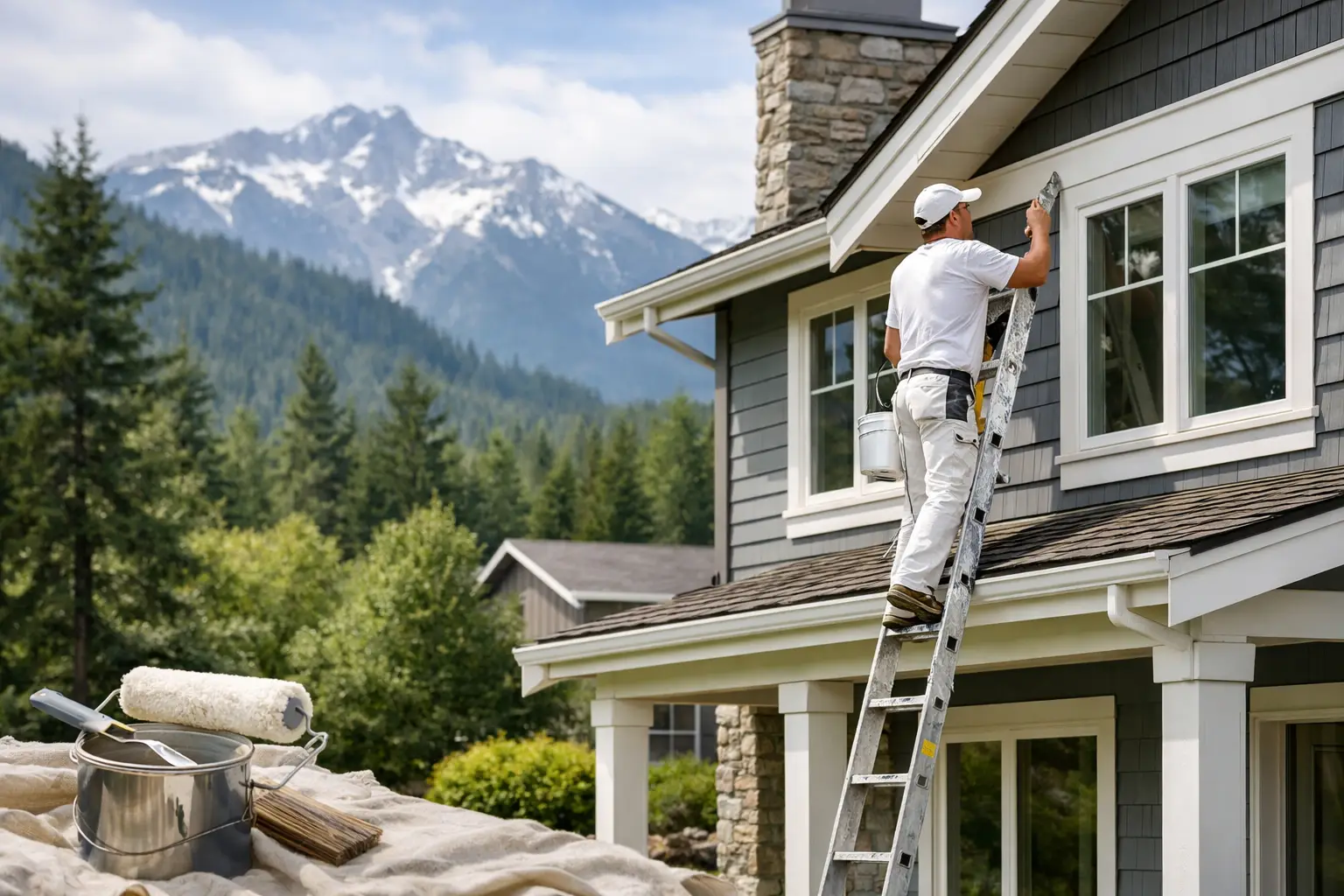
A painted exterior can look fine from the driveway while moisture is already working its way into open seams, failed caulking, and bare wood. For South Puget Sound homeowners, the question of how often repaint house exterior surfaces need attention is less about following a rigid calendar and more about catching problems before rain turns a paint failure into a repair project.
A quality exterior paint job protects more than curb appeal. It helps shield siding, trim, fascia, doors, and other exposed materials from rain, moisture, sun, and seasonal temperature changes. The right timing depends on your home’s siding material, the previous preparation work, paint quality, and the weather exposure around your property.
How Often to Repaint a House Exterior
Most homes need exterior repainting every 5 to 10 years, but that range can be shorter or longer depending on conditions. In Pierce County and throughout the greater South Puget Sound area, wet weather and shaded areas often make maintenance needs appear sooner than homeowners expect.
Wood siding may need repainting about every 3 to 7 years, especially if it receives direct weather exposure or was not properly primed and sealed. Fiber-cement siding often holds paint for 8 to 12 years when it is correctly prepared and coated. Stucco can commonly go 5 to 10 years, although cracks and moisture staining should be addressed before repainting. Aluminum and vinyl siding may keep their finish longer, but fading, chalking, and peeling coatings can still call for professional attention.
These are useful planning ranges, not guarantees. A house surrounded by trees, shaded for much of the day, or exposed to wind-driven rain can need work earlier than a home in a more protected location. The condition of the existing paint matters more than the year on the calendar.
The Signs Your Exterior Is Ready for Paint
Paint does not always fail all at once. Small warning signs are often the best reason to schedule an inspection and plan the work before damage spreads.
Peeling, bubbling, or flaking paint is the clearest sign that the coating is no longer protecting the surface. This can happen when moisture gets behind paint, when old layers lose adhesion, or when the original surface was not properly cleaned, scraped, primed, or repaired.
Cracking and splitting caulk around windows, doors, trim boards, and siding joints also deserve attention. Caulk is a small part of an exterior paint project, but it helps close gaps where water can enter. Repainting over failed caulk without removing and replacing it may make the home look better briefly while leaving the underlying problem in place.
Look closely for faded color, a dull chalky finish, mildew, water stains, exposed wood, and soft or damaged trim. Fading alone is often cosmetic, particularly on sunny walls. But chalking can indicate that the paint binder is breaking down, and exposed wood should be handled promptly. Once bare wood repeatedly gets wet, it can swell, split, and begin to rot.
Why Washington Weather Changes the Timeline
Western Washington homes face a combination that is hard on exterior finishes: long wet periods, moss and mildew growth, occasional freezing temperatures, and summer UV exposure. Paint needs to shed water while still allowing the building materials beneath it to perform as intended.
North-facing and heavily shaded walls tend to stay damp longer. Those areas may collect mildew, algae, dirt, and organic debris that hold moisture against the siding. Eaves, porch ceilings, lower trim, and areas near landscaping can also age differently from the rest of the house.
Pressure washing is often an appropriate first step before repainting, but it is not a replacement for repairs or preparation. The surface must be cleaned carefully, allowed to dry fully, and inspected for loose paint, damaged wood, open seams, and other defects. Applying fresh paint to a damp or contaminated surface can shorten the life of the job.
Paint Quality Helps, but Preparation Matters More
Premium exterior paint is a worthwhile investment, but even the best coating cannot correct failing wood, loose paint, or moisture damage underneath. Long-lasting work begins with the condition of the surface.
A proper exterior repaint may involve washing, scraping loose coatings, sanding rough edges, replacing failed caulk, priming bare areas, repairing wood rot, and protecting nearby landscaping and hard surfaces. If damaged siding or trim is coated without repair, the new paint may hide the issue for a while but will not stop deterioration.
Primer is especially important where bare wood, patched areas, stains, or different surface materials are present. It improves adhesion and helps create a more even finish. The correct paint and primer system should match the material being painted and the conditions it faces.
This is also why a lower initial quote is not always the better value. A project that skips needed prep can look complete when the crew leaves, then begin peeling far earlier than it should. A careful evaluation identifies whether the home needs a straightforward repaint or repair work before the coating goes on.
How to Extend the Life of an Exterior Paint Job
Regular maintenance can help you get the full service life from your exterior paint. Walk around the home at least once a year, ideally after the wet season, and pay attention to trim, windows, doors, gutters, and low areas near soil or plants.
Keep gutters and downspouts working properly so water does not repeatedly run down siding or overflow onto trim. Trim shrubs and tree branches back from the house to improve airflow and prevent leaves from holding moisture against painted surfaces. Clean away dirt, mildew, and cobwebs before they become embedded in the finish.
Small touch-ups can be helpful when handled correctly. A few chipped spots on otherwise sound paint may be cleaned, sanded, primed, and touched up. Widespread peeling, cracking, fading, or chalking usually means the home is ready for a more complete exterior painting plan. Spot repairs cannot reliably solve a coating failure across an entire wall.
When Repainting Should Include Repairs
Exterior paint should not be treated as a cover-up for wood damage. If trim feels soft, siding edges are swollen, boards are cracked, or there are visible gaps around openings, repairs should happen before painting. This is particularly true around window sills, fascia boards, corner trim, porch posts, and areas beneath gutters.
Addressing rot and damaged materials at the same time as painting creates a better finished result and protects the investment in new coatings. It also helps the color and sheen look consistent across the home. For decks, fences, and porches, staining or painting may require a separate approach because horizontal wood surfaces receive more foot traffic, standing water, and direct exposure.
Plan Your Repaint Before Failure Spreads
The best time to schedule exterior painting is when the current coating is aging, not after it has failed across the property. Planning ahead gives you time to choose colors, identify repairs, and complete the project during suitable weather conditions.
If you are unsure whether your home needs a full repaint, a professional evaluation can clarify what the surfaces need now and what can wait. K&D Quality Painting can inspect the condition of your exterior, explain the preparation and repair work involved, and provide a free estimate based on your property’s actual needs. A well-prepared paint job protects your home through the next stretch of Washington weather while keeping it looking cared for.