

Pressure Washing Mold From Siding Safely
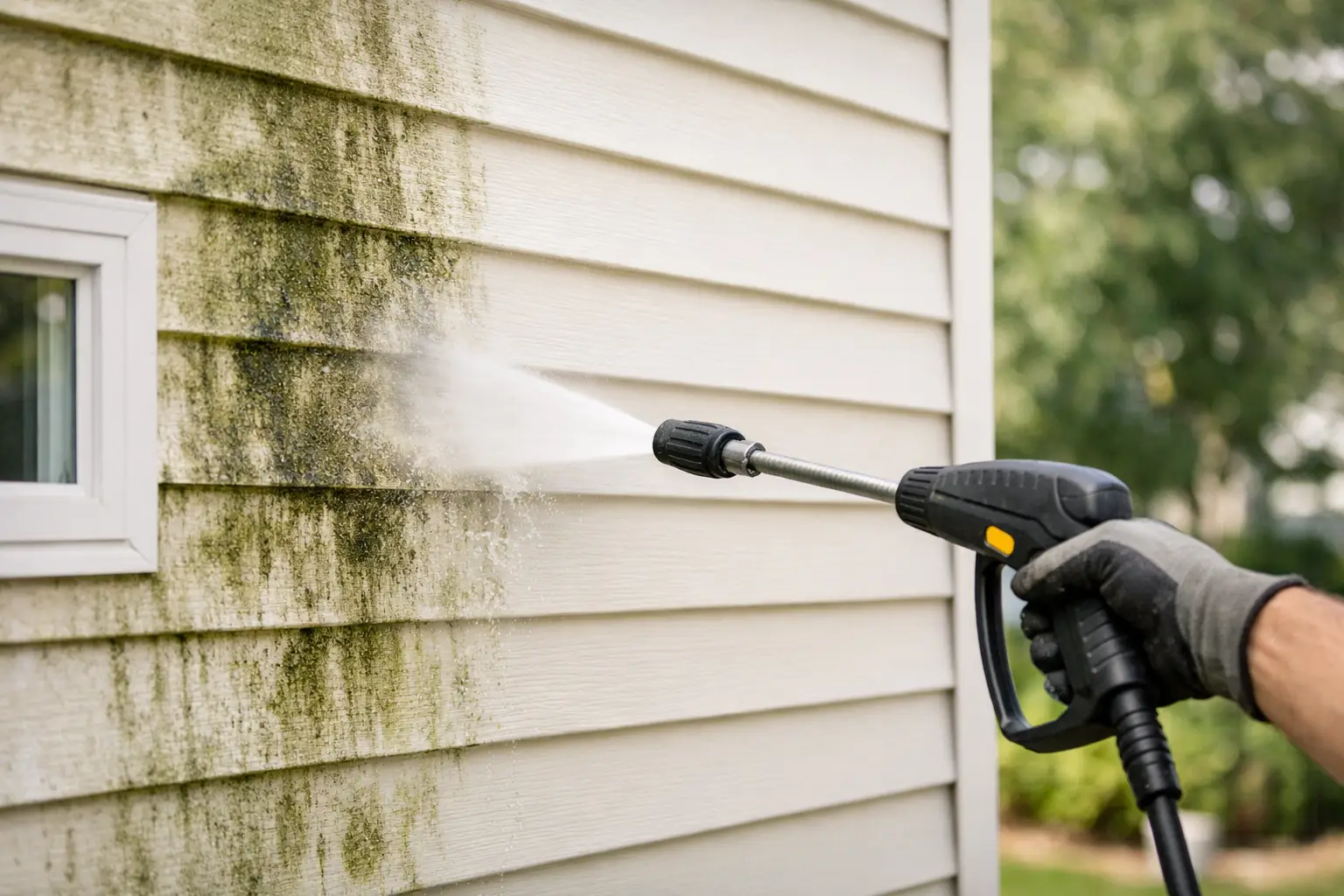
Those dark green, black, or gray streaks on exterior walls are more than a curb-appeal problem. In the South Puget Sound, pressure washing mold from siding is often part of protecting a home from the long wet season, especially on shaded walls, beneath rooflines, and near landscaping that holds moisture against the house.
The goal is not simply to make siding look clean for a few weeks. Proper washing removes organic growth and surface grime without driving water behind the siding, damaging paint, scarring wood, or creating a bigger repair issue before repainting. The right approach depends on the siding material, the condition of the existing finish, and whether the discoloration is truly mold or a mix of mildew, algae, dirt, and weathering.
Why Mold and Mildew Return on Pacific Northwest Siding
Mold and mildew need moisture, shade, and organic material to grow. Pierce County homes provide plenty of all three. Rain, morning dew, overhanging trees, clogged gutters, and landscaping planted too close to the house can keep siding damp long after a storm has passed.
North-facing walls usually show growth first because they receive less direct sun. Areas behind downspouts, under decks, around hose spigots, and beneath leaking gutters deserve a closer look as well. If one part of the house repeatedly develops stains, cleaning is necessary, but correcting the moisture source is what helps the result last.
Wood siding is especially vulnerable because moisture can affect both the surface coating and the material beneath it. Vinyl, fiber cement, and painted trim can also collect mildew and algae, although the cleaning method must be adjusted to avoid damage. A clean exterior exposes peeling paint, failed caulking, soft wood, and other issues that are easy to miss under a layer of grime.
Pressure Washing Mold From Siding Without Damage
A pressure washer can be useful, but high pressure is not the answer to every cleaning problem. Many siding failures happen when a machine is held too close, set too high, or aimed upward beneath laps, trim, vents, and window edges. Water that gets behind siding can lead to trapped moisture, staining, swelling, and paint failure.
For most painted siding, the cleaning solution does much of the work. Pressure should be used to rinse the loosened contamination away, not blast it off. A wider fan tip, moderate pressure, and a steady working distance give the operator more control. The spray should travel downward or across the siding, never upward into gaps where water can enter.
The proper setting varies by surface. Vinyl can crack or warp under excessive force. Older wood siding can splinter, fur up, or lose failing paint. Fiber cement is durable, but its joints, caulking, and painted finish still require care. Brick, masonry, and concrete may tolerate more pressure, yet nearby windows, wood trim, and landscaping still need protection.
Before washing a full wall, test a small, inconspicuous section. This shows whether the cleaner is effective and whether the existing paint is stable enough for washing. If paint comes off in broad sheets, the surface may already be failing and need scraping, repairs, priming, and repainting rather than more aggressive pressure.
Use a Cleaner That Fits the Surface
A siding-safe cleaner designed to remove mildew and organic staining is usually a better starting point than water alone. Apply it according to the product directions, allow the recommended dwell time, and do not let it dry on the wall. Stubborn areas may need a soft brush before rinsing.
Household bleach is sometimes used for exterior mold cleanup, but it is not automatically the best choice. Strong bleach solutions can harm plants, discolor finishes, affect metal fixtures, and create runoff concerns. Mixing cleaners is never safe. A professional cleaning process accounts for the siding material, nearby landscaping, drainage, and how the exterior will be finished afterward.
Protect plants by wetting them before cleaning, covering delicate areas when appropriate, and rinsing them again after the work is complete. Close windows, protect exterior outlets and light fixtures, and move patio furniture away from the work area. These small preparation steps prevent avoidable damage.
When Low-Pressure Washing Is the Better Choice
The term pressure washing often covers several cleaning methods. For painted wood, older siding, and surfaces being prepared for new paint, low-pressure washing may be the safer method. It combines a suitable cleaning solution with a controlled rinse that removes mildew and dirt while protecting the surface.
This matters before exterior painting. Paint does not solve a dirty or contaminated surface. If mildew remains on siding, a new coating may have trouble bonding and the stains can return through or over the finish. If loose paint, cracked caulking, or rotted trim is present, cleaning should be followed by the necessary preparation and repairs before primer or paint is applied.
There is a trade-off. Low pressure can take longer and may require brushing in heavily stained areas. The extra care is worthwhile when the alternative is gouged wood, water behind siding, or a shortened paint job. On a newer, solid surface with light buildup, washing may be straightforward. On an older home with peeling paint and visible wear, it should be treated as the first step in a larger maintenance plan.
Do Not Wash Over Problems That Need Repair
Mold on siding can be a surface-level maintenance issue, but it can also point to a water problem. Watch for soft spots around trim, bubbling paint, staining below gutters, swollen boards, open joints, or recurring growth in the same location. These signs may indicate a leak, failed flashing, poor drainage, or wood rot.
Pressure washing will not repair damaged siding. In fact, spraying a weakened area can reveal how much deterioration is already present. That is useful information, but it should lead to a repair plan rather than a quick cosmetic cover-up.
For homes due for painting, cleaning gives a contractor a clear view of the actual condition of the exterior. Loose material can be removed, damaged wood can be repaired or replaced, gaps can be caulked, and bare areas can receive the correct primer. Those steps create the sound, dry surface that exterior paint needs to perform through Washington rain, summer sun, and changing temperatures.
Timing Your Siding Cleaning and Painting Project
Choose a dry stretch of weather whenever possible. Siding needs time to dry after washing, particularly wood and older painted surfaces. Rushing into paint while moisture remains in the material can lead to adhesion problems, blistering, and premature peeling.
The amount of drying time depends on weather, shade, humidity, siding type, and how much water the wall received during cleaning. A sunny, breezy wall may dry quickly, while a shaded wall beneath trees can hold moisture much longer. This is one reason a surface inspection matters more than following a single timeline for every house.
Routine cleaning can often be scheduled before the heavy spring and summer painting season, but there is no need to wait until stains become severe. Removing early mildew buildup is easier on the siding and helps preserve the appearance of the paint. Keeping gutters clear, trimming vegetation back from the walls, and maintaining drainage around the foundation will also reduce repeat growth.
When to Call a Professional
A homeowner can handle a light cleaning job on accessible, sound siding with the right equipment and caution. Professional help is a practical choice when the home is two stories or higher, growth is widespread, paint is peeling, wood looks damaged, or the siding needs painting after cleaning.
K&D Quality Painting can assess the condition of the siding, clean it with the appropriate method, and address the preparation work that makes a new exterior finish last. With more than 30 years of hands-on painting experience, the team looks beyond the visible stains to identify surface problems that can affect the finished result.
If mold keeps returning or the exterior has begun to look worn, request a free estimate before a small maintenance job turns into damaged siding or a failing paint system. A careful cleaning and the right follow-up repairs can keep your property looking cared for through the next rainy season.