Commercial Interior Painting Cost Factors
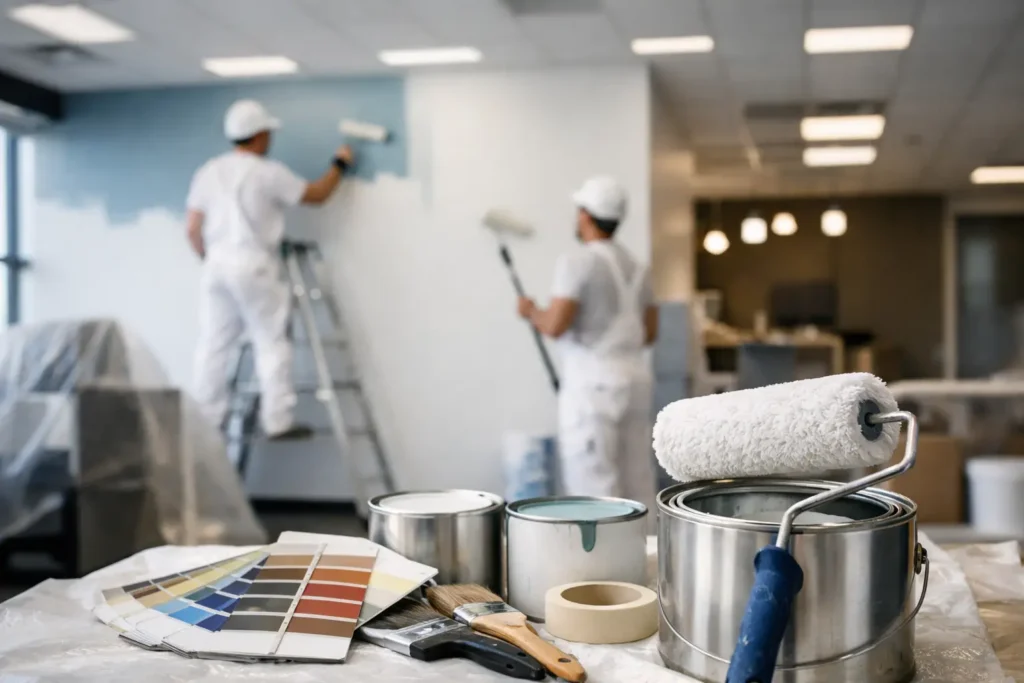
A fresh interior can make a customer-facing space feel cared for, brighten an office, and help a property show well to tenants. But commercial interior painting cost is not a one-price-per-room decision. The right budget depends on the building, the condition of its walls and ceilings, the finish you need, and how the work can be completed without unnecessarily disrupting your business.
For business owners and property managers in Pierce County and the South Puget Sound area, the lowest proposal is not always the lowest cost in the long run. A paint job that skips repairs, surface cleaning, primer, or proper protection can fail early, look uneven, and require another round of work sooner than expected. A clear, detailed estimate gives you a better way to compare the actual scope of work.
What Affects Commercial Interior Painting Cost?
Commercial painting estimates are usually based on the total paintable surface area, not just the square footage of the floor. A 2,000-square-foot office with standard-height walls and an open layout is a different job from a 2,000-square-foot medical office with many exam rooms, doors, trim sections, and occupied work areas.
Labor is often the largest part of the price because quality painting involves more than applying finish coats. Painters need time to protect floors and furniture, move or work around equipment, mask fixtures, patch damage, sand rough areas, prime where needed, apply coating evenly, and clean up at the end of each work period. More detail means more labor, even when the building itself is not especially large.
Ceiling height matters as well. Standard office walls can often be painted efficiently. Stairwells, entry lobbies, warehouses, gymnasiums, and spaces with tall ceilings may require ladders, lifts, additional setup time, or specialized safety planning. Those needs can change the price substantially.
The building’s condition is another major factor. Scuffed walls and minor nail holes are straightforward. Water staining, peeling paint, drywall cracks, failed tape joints, dents, damaged corner bead, and old texture repairs require more attention before paint can look right. In the Puget Sound region, moisture-related problems deserve a closer look. Covering a stain without addressing the source of the moisture can leave you with a recurring problem behind a new coat of paint.
Typical Cost Ranges and Why They Vary
It is understandable to want a quick per-square-foot number, but broad averages can be misleading. Commercial interior projects may be priced by paintable square footage, by wall area, by room, by time and materials, or as a complete project price. An open, empty suite can be relatively efficient to paint. A busy office, retail store, restaurant, apartment common area, or medical setting may involve more protection, coordination, and detailed finishing.
The best way to use online cost ranges is as a starting point for planning, not as a final budget. A proposal should explain what is included: preparation, repairs, primer, number of finish coats, paint type, ceilings, walls, doors, trim, cleanup, and access requirements. If one bid includes extensive drywall repair and another simply says “paint walls,” they are not equivalent bids.
For a practical budget, separate the work into priorities. High-traffic public areas may need more durable coatings and closer attention to appearance. Back offices, storage rooms, or spaces scheduled for future renovation may call for a more basic approach. A professional painter can help you decide where premium materials and detailed preparation are worth the investment and where a simpler scope makes sense.
Paint Quality Is Part of the Long-Term Cost
Paint is a smaller share of the total price than labor, but it still affects performance. Commercial spaces often need washable, durable finishes that stand up to fingerprints, carts, cleaning, and frequent use. Low-quality paint may require extra coats for coverage and can show wear faster in busy areas.
The sheen you choose also makes a difference. Flat finishes can help hide minor wall imperfections, but they may be less washable. Eggshell or satin can be a good fit for many offices and common areas, while semi-gloss is often used on trim, doors, and areas that need frequent cleaning. The right choice depends on the surface condition, lighting, and how the space is used.
A good estimate identifies the coating system rather than treating paint as an afterthought. That includes the proper primer when bare drywall, stains, repaired areas, or major color changes are present. Primer helps create a consistent surface so the finish coat can perform as intended.
Preparation Can Raise the Bid and Protect the Result
Preparation is where a commercial interior painting project either earns its value or creates future headaches. It may add to the initial price, but it is also what helps the completed work look clean and last.
Before painting, surfaces may need cleaning to remove dust, grease, smoke residue, adhesive, or grime. Glossy areas may need sanding so new coatings can adhere. Cracks and holes need patching, and repaired drywall must be feathered and texture matched where appropriate. Stains may need a stain-blocking primer instead of a standard coat of paint.
This is particularly important in older commercial properties and tenant spaces that have been modified repeatedly over the years. Old wall anchors, removed signage, patchwork repairs, and mismatched textures can be obvious after new paint goes on. Addressing them upfront produces a more professional appearance and avoids the frustration of seeing every repair once the job is finished.
Scheduling and Occupancy Affect the Price
An empty space is generally easier to paint than an occupied one. When staff, customers, furniture, inventory, and equipment remain in place, painters must work carefully around daily operations. That may mean moving furniture in stages, covering electronics, maintaining walkways, working in smaller sections, or returning over multiple evenings.
After-hours and weekend scheduling can be worthwhile when downtime would cost more than the added labor. Retail spaces, offices, clinics, and tenant-occupied buildings often need a schedule that keeps business moving. The trade-off is that nonstandard hours can increase project costs, especially when the job requires repeated setup and cleanup.
Clear coordination helps control that expense. Decide who will move small personal items, where furniture can be staged, which rooms can be temporarily closed, and whether alarms, building access, parking, or elevator use require advance arrangements. The fewer surprises on the first day, the more efficiently the work can proceed.
How to Compare Commercial Painting Estimates
A dependable estimate should make the scope easy to understand. It should identify the areas being painted and distinguish between walls, ceilings, doors, trim, and specialty surfaces. It should also state whether minor patching is included or whether larger drywall repairs are priced separately.
Ask whether the contractor will clean, sand, prime, caulk, and protect adjacent surfaces. Confirm the number of finish coats and the paint products or performance level being proposed. If your property has water damage, peeling areas, or visible wall deterioration, ask how those conditions will be handled before paint is applied.
Also consider insurance, licensing, experience, and communication. A commercial painting crew is working inside a place where employees, tenants, and customers may be present. You need a contractor who respects the property, protects the work area, and communicates clearly about timing, changes, and access.
K&D Quality Painting brings more than 30 years of hands-on experience to projects that need both painting and the repair work behind it. That broader capability matters when drywall damage, texture matching, or moisture-related surface issues need to be corrected before the final coat goes on.
Ways to Keep Your Project on Budget
The most reliable way to manage cost is to define the scope before work begins. Walk the property with the estimator and point out damaged areas, walls that need special attention, colors that are changing, and spaces that must remain operational. This gives you a more accurate proposal and reduces the chance of surprises later.
If budget is tight, consider completing the project in phases. Start with reception areas, corridors, customer-facing rooms, and worn high-traffic walls, then schedule secondary spaces later. Keeping colors consistent across phases can make the building look intentional while spreading the investment over time.
You can also help by clearing wall hangings, personal belongings, and movable small items before the crew arrives. That does not replace professional protection and preparation, but it can reduce delays. Avoid cutting corners on necessary repairs or primer, though. Those are often the items that determine whether the new finish holds up.
A free, on-site estimate is the most useful next step because it turns general cost questions into a clear plan for your actual building. A qualified local painter can inspect the surfaces, discuss scheduling, and recommend a scope that gives your business a clean, durable finish without paying for work you do not need.